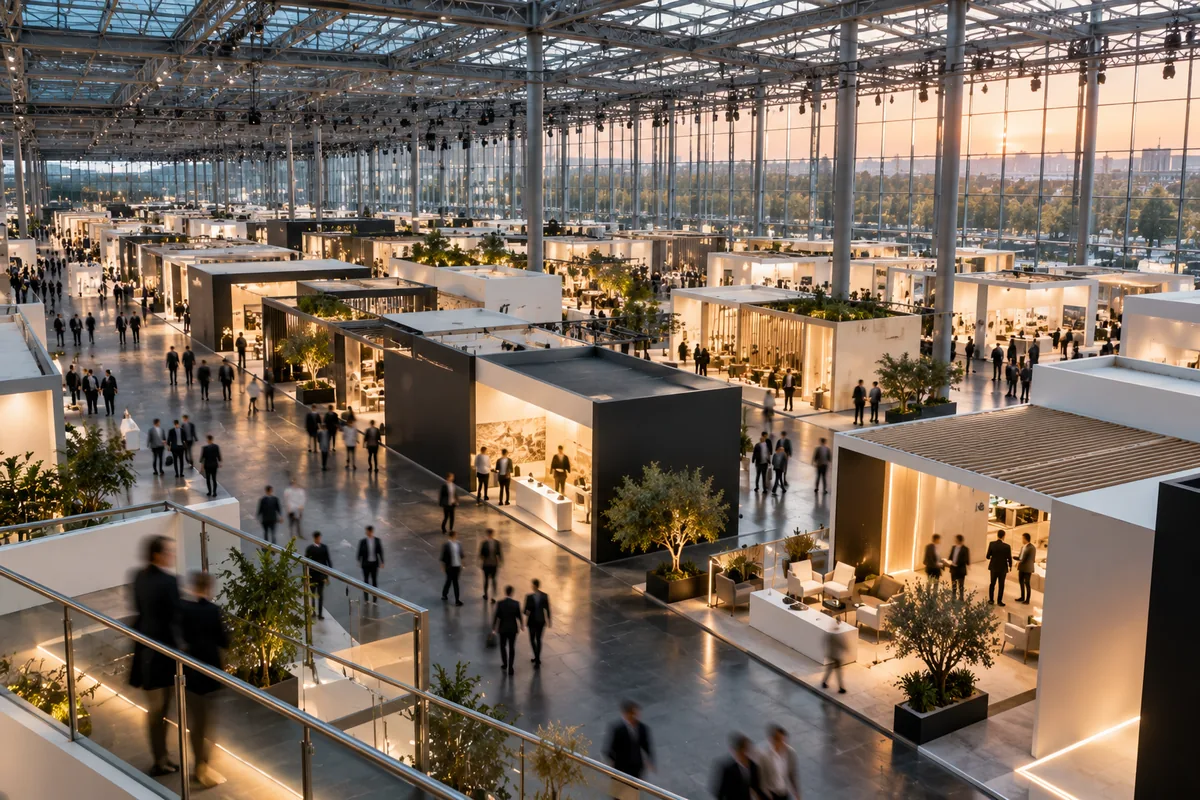
Wolf x group helps companies grow beyond their home market, with a particular focus on Chinese and other Asian companies building a business in Europe.
Expanding into Europe is as much about understanding customers, partners and expectations as it is about the product.
01
Market-entry strategy
Choosing where to start, in what order and with what offer.
Market understanding
02
European brand positioning
Presenting the company in a way European buyers and partners recognise and trust.
03
Commercial partnerships
Identifying and approaching distributors, customers and partners.
04
Brand and market development
Building awareness and demand once the company is present.
Meeting the market
05
Cross-border business development
Working across both markets so decisions are made with the full picture.
06
Local expectations
Understanding how buying decisions, service and relationships work locally.
07
Commercial differences
Navigating differences in pricing, negotiation and ways of working.
A presence that lasts
08
Building a presence
Moving from first contacts to a lasting position in the market.
How an engagement can develop
From first look to a lasting presence.
01
Understand the market
Customers, competitors, channels and the realistic size of the opportunity.
02
Define the positioning
What the company stands for in Europe and why buyers should choose it.
03
Develop partnerships
The distributors, customers and partners that make entry possible.
04
Support the expansion
Commercial support as the business grows its presence.
Illustrative. Each project is shaped around the company's situation and does not always follow these steps in order.
Europe-readiness 2026–2027
EU rules are arriving faster than most entry plans.
Four EU milestones that change what companies need to prepare before selling into Europe, especially in energy, batteries and industrial goods.
In force
1 January 2026
CBAM definitive period
Only authorised CBAM declarants may import covered goods: iron and steel, aluminium, cement, fertilisers, hydrogen and electricity. Importers of 50 tonnes or less a year of iron, steel, aluminium, cement and fertilisers are exempt; electricity and hydrogen have no threshold.
Batteries for electric vehicles, light means of transport such as e-bikes and e-scooters, and industrial batteries above 2 kWh, including home and grid storage, need a digital battery passport to be placed on the EU market.
Which companies does Wolf x group help enter Europe?
Above all Chinese and other Asian companies that want to build a business in Europe. We also work with European companies exploring opportunities in Asian markets.
What does the work include?
Market-entry strategy, European brand positioning, commercial partnerships with distributors, customers and partners, brand and market development, and cross-border business development.
Is legal or regulatory work part of the service?
No. Market entry often touches registration, product rules and contracts; we stay on the commercial side and suggest bringing in licensed lawyers, tax advisers or compliance experts for those questions.
Where does an engagement start?
Usually with understanding the market: customers, competitors, channels and the realistic size of the opportunity. Tell us about the company, the markets you are considering and your timeline through the contact form.
Wolf x group provides commercial and market-development support. It does not provide legal, regulatory, tax or compliance advice; where a project needs it, we recommend involving licensed specialists.
Planning your first steps in Europe?
Tell us about the company, the markets you are considering and your timeline.